Roof coating knowledge

Acrylic Roof Coating Systems: The Complete Guide

Acrylic roof coatings are fluid applied membranes used to restore compatable commercial roofs. They deliver excellent UV reflectivity, low material cost and easy future recoating.

See the difference

Drag to reveal the restoration.

Before roof restorationAfter roof restorationBeforeAfter
↔

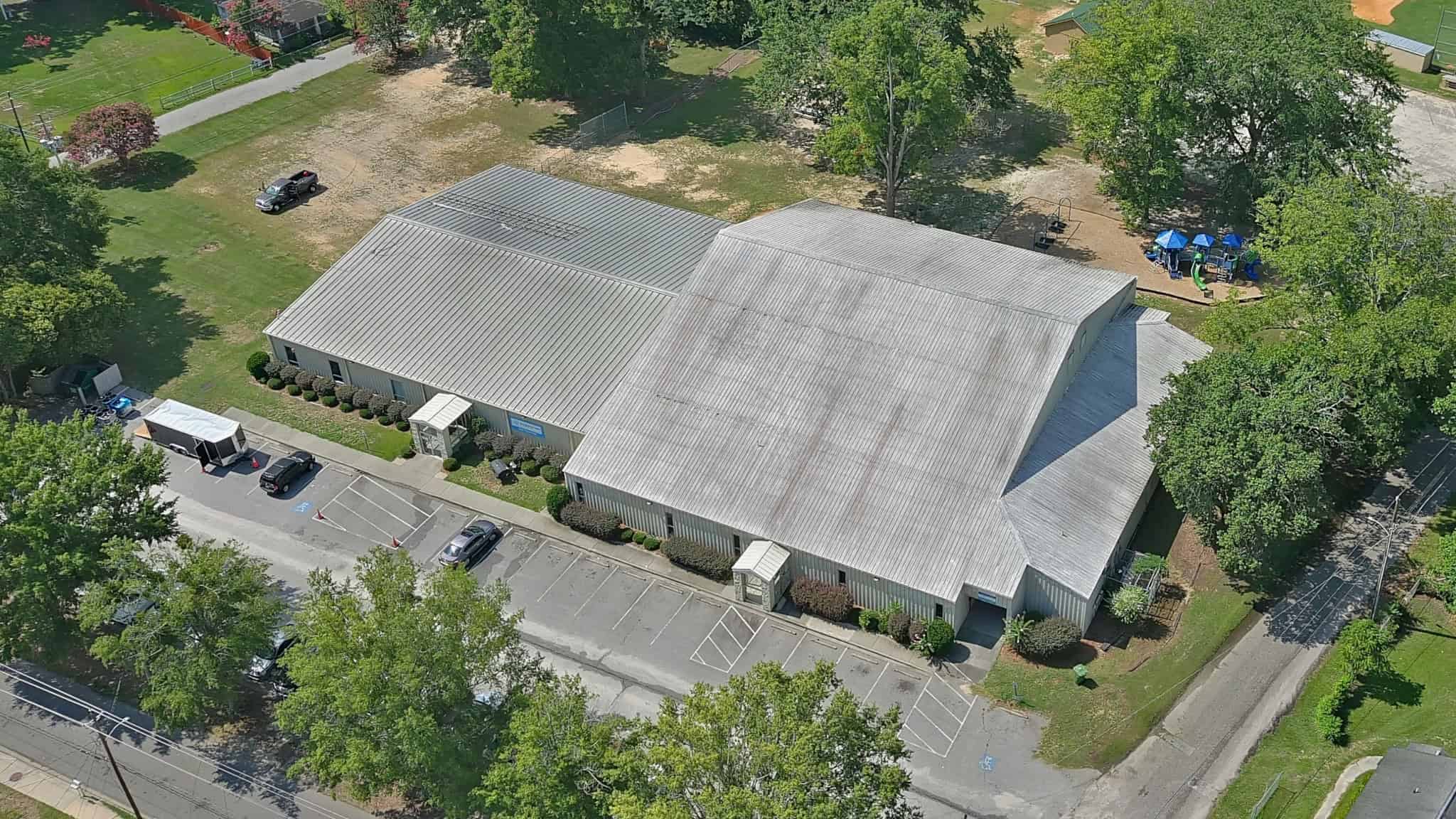
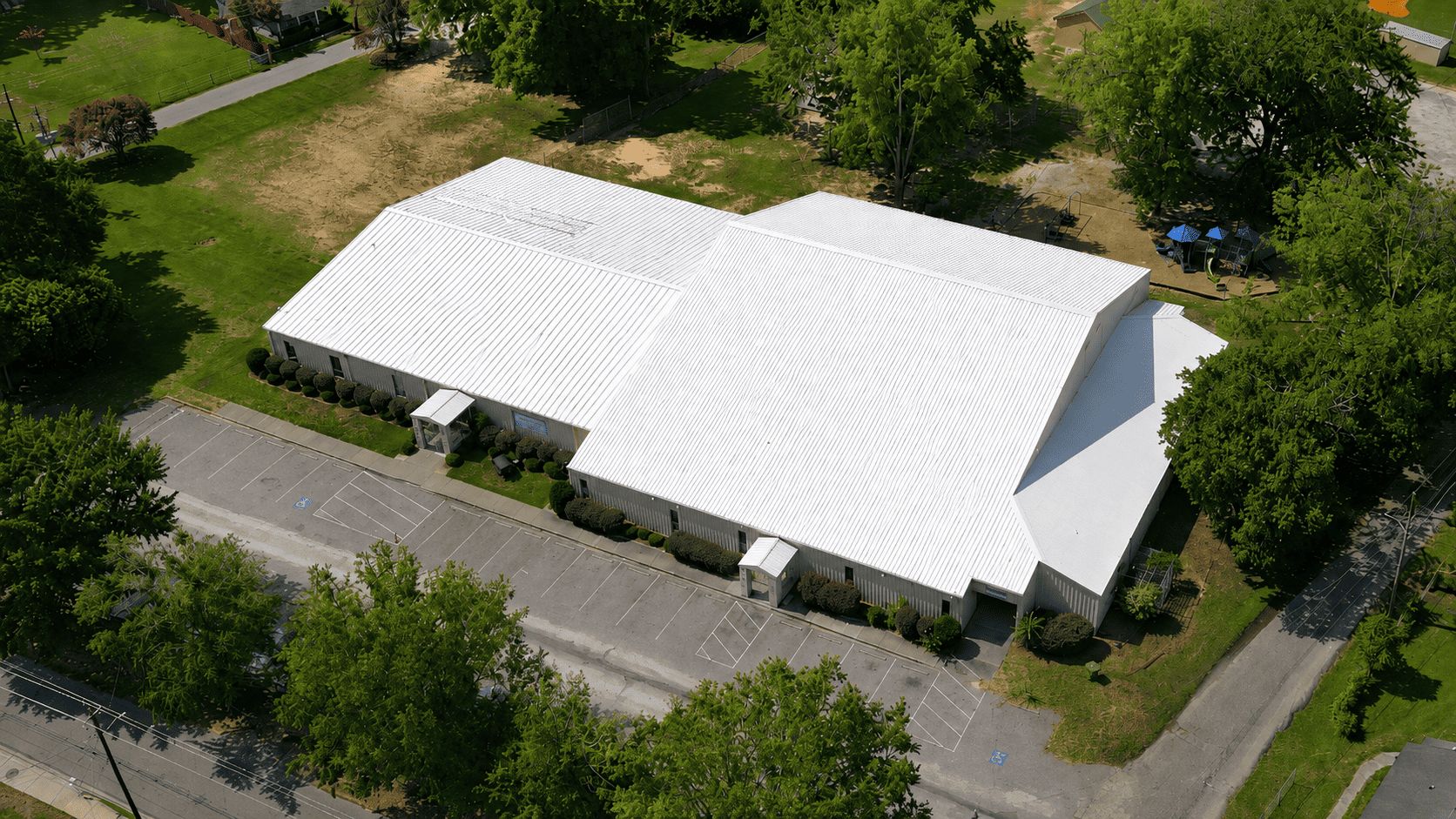
Acrylic roof restoration — the existing roof cleaned, repaired, reinforced and restored with a fluid-applied acrylic membrane.
The short version

Acrylic quick specs.

Every spec below is covered in depth further down the page.

Best forReflectivity, Color Options, Affordability
Not ideal forPonding Water, Chemical Resistance
Typical installed costRoughly $2.50–$5.50 / sq ft
Chemistry typeWater-based
UV resistance/Reflectivity10/10
Future recoatability10/10
Foot traffic6/10

What Is an Acrylic Roof Coating?

An acrylic roof coating is a water-based elastomeric membrane applied as a liquid over your existing roof. It cures into one seamless, bright-white layer that seals the surface, reflects the sun and can be renewed with a fresh coat for decades.

The right fit

Where acrylic works best.

Benefits & performance

Why owners and contractors pick acrylic.

🏢 Why owners choose acrylic

  • Lowest installed cost of the major chemistries
  • Highly reflective — cuts summer cooling bills
  • Multiple colors that hold their look
  • Easy to recoat later — with any chemistry
  • Low VOC, water-based — safe around occupied buildings

🛠 Why contractors choose acrylic

  • Water cleanup — no solvents, easy equipment care
  • Spray or roll with standard gear
  • Forgiving to apply and easy to touch up
  • Stocked at every distributor
  • Recoat-friendly — built for maintenance programs
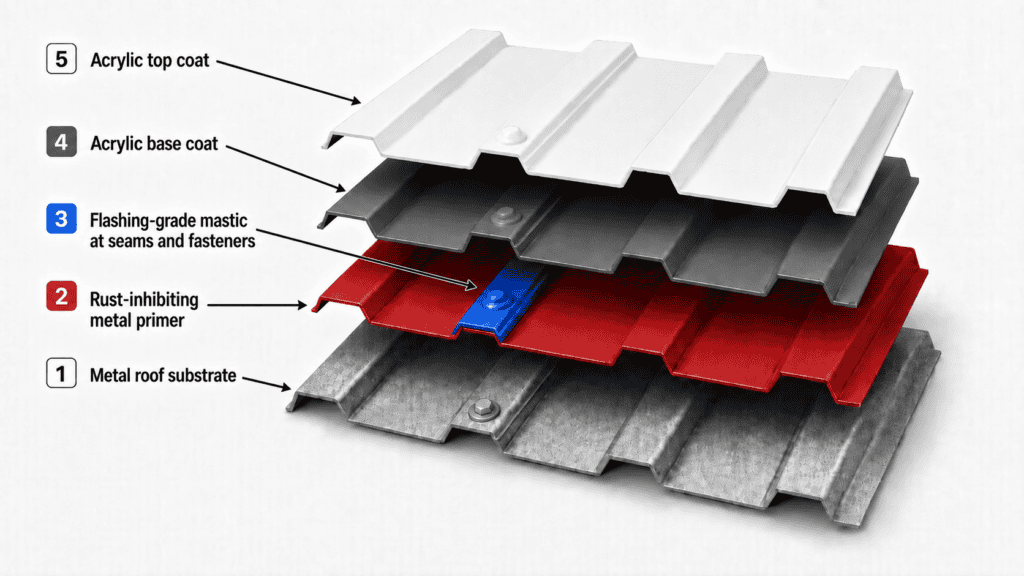
Every layer of a typical metal-roof acrylic system
How it's done

The typical acrylic coating system.

Varies by manufacturer

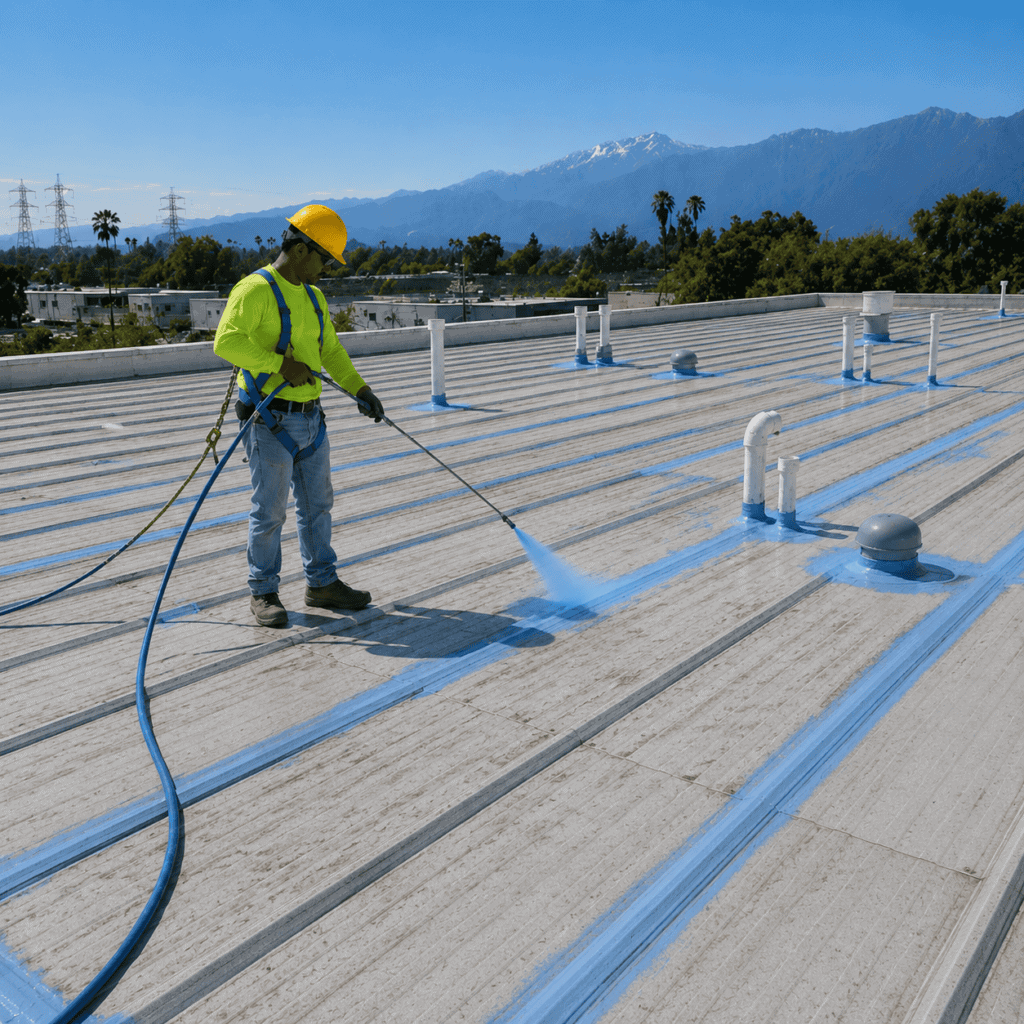
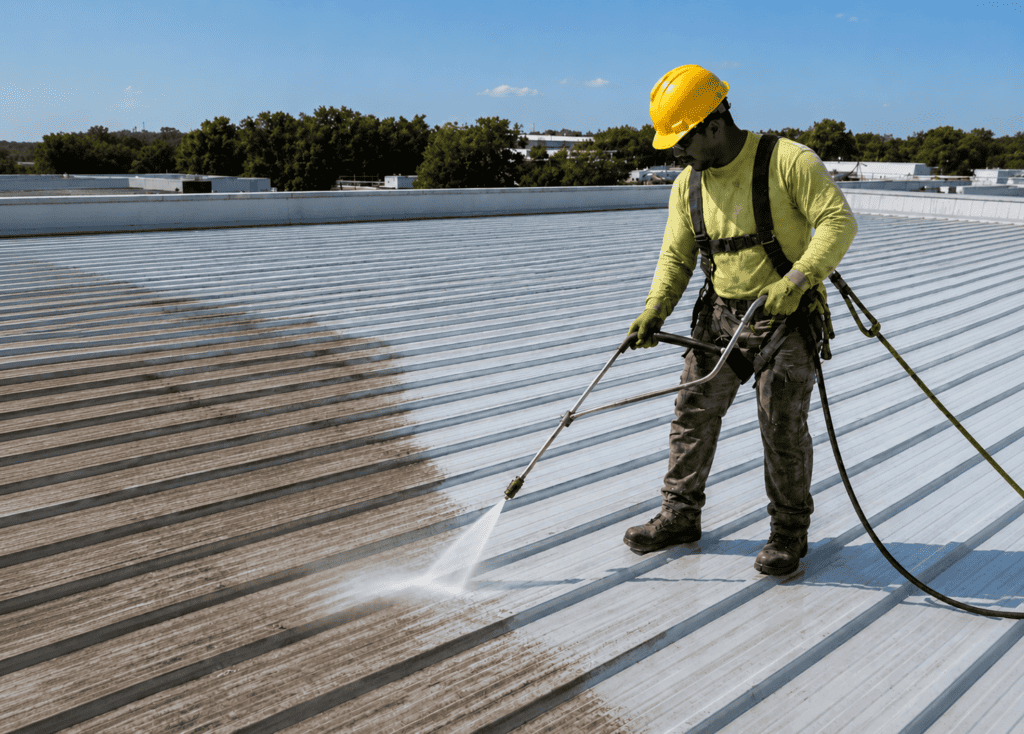
🧹CleanPressure-wash the entire roof
Pressure-wash the entire roof — Clean step of a roof coating installation
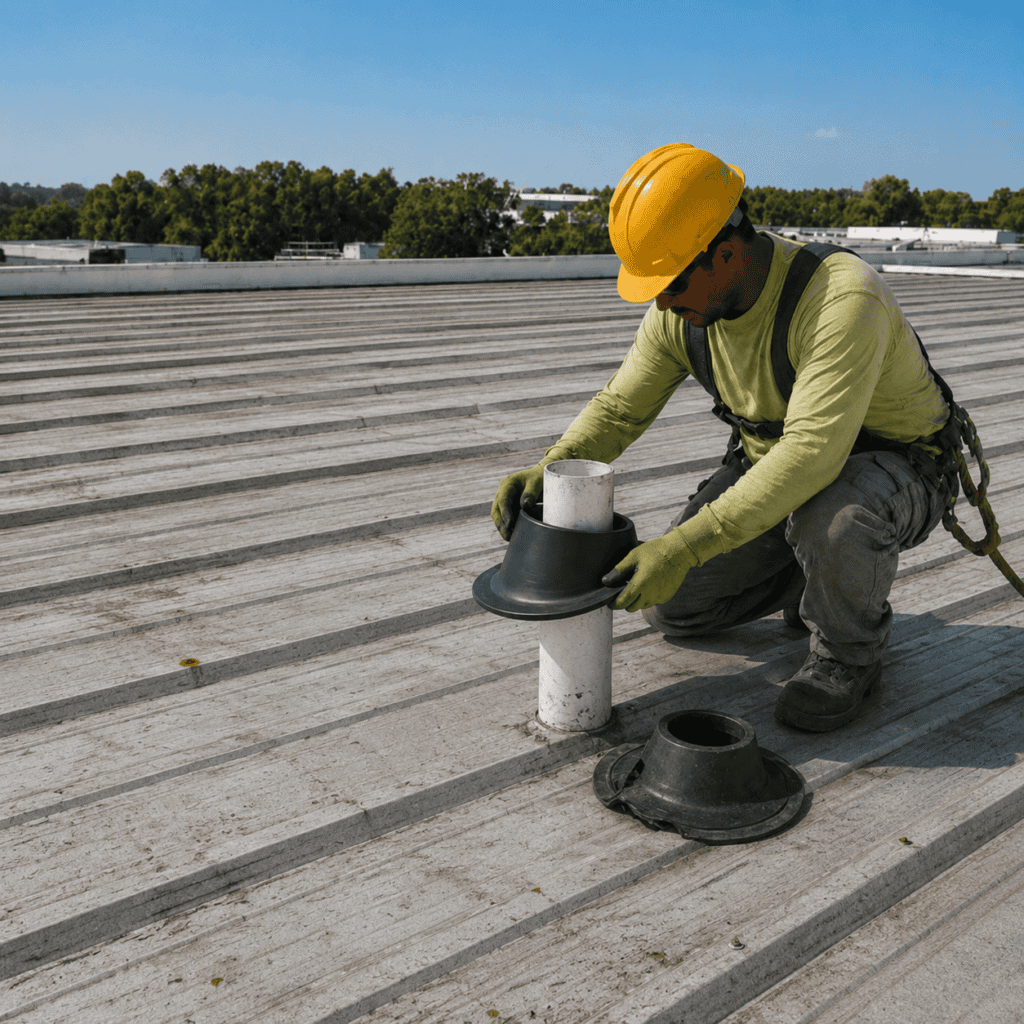
🔧RepairReplace damaged material
Repairing damaged roof material
🧴SealSeal every seam and penetration
Sealing roof seams and penetrations
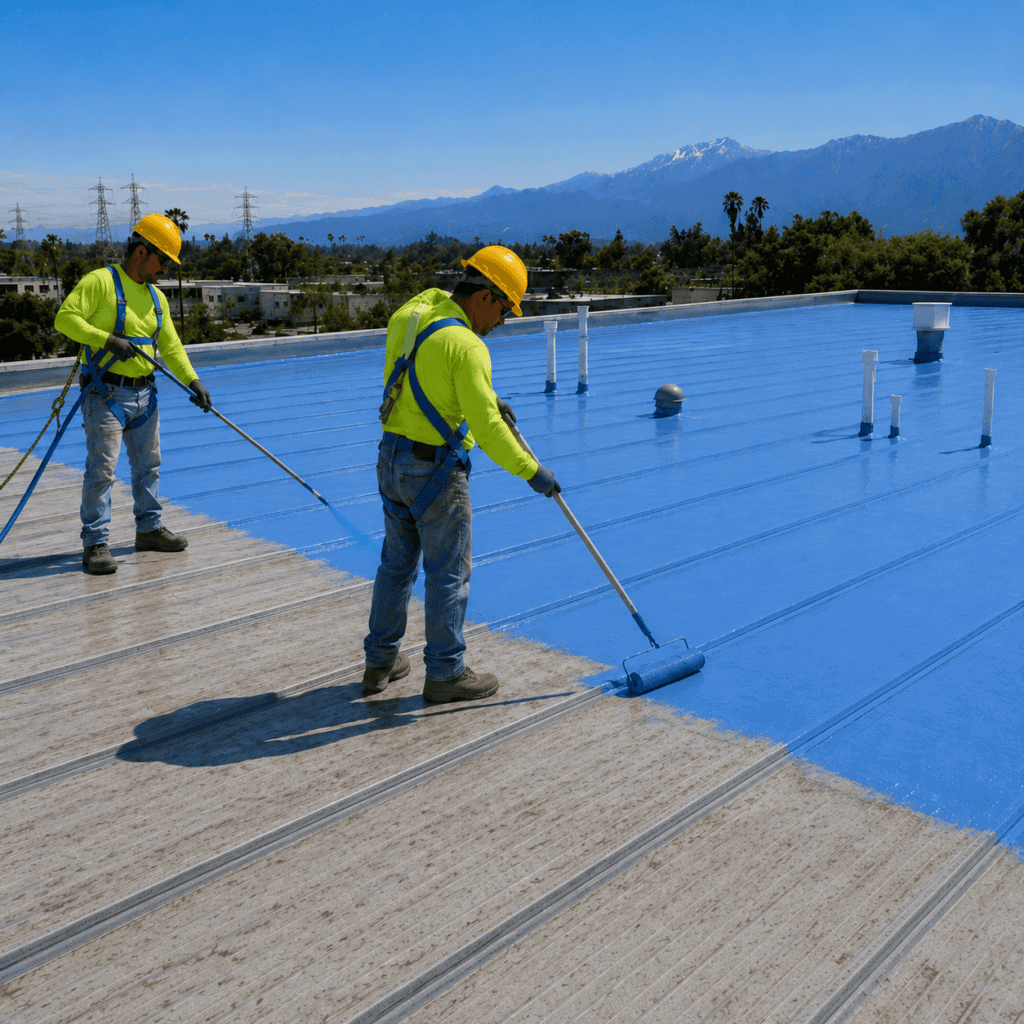
🖌PrimePrime the entire roof surface
Priming a commercial roof
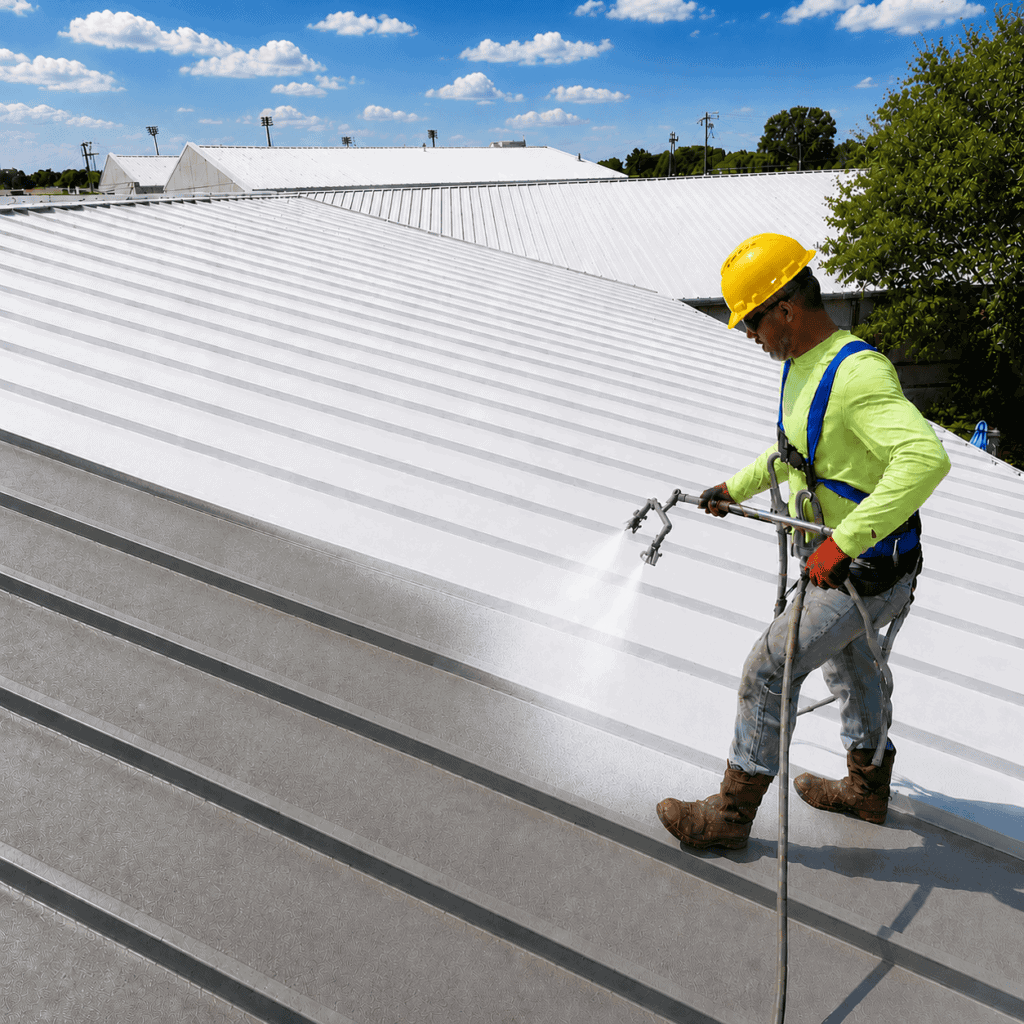
🎨CoatApply the acrylic topcoat
Applying acrylic roof topcoat
📋WarrantyIssue the manufacturer warranty
Issue the manufacturer warranty — Warranty step of a roof coating installation
The checklist

How to qualify a roof for acrylic.

The quick test is drainage: if water sheds off the roof instead of standing for days, acrylic is probably on the table.

The full answer is a checklist:

✅ Good candidate

  • Structurally sound deck
  • Dry insulation and substrate
  • Repairable corrosion
  • Stable existing membrane or coating
  • Proper drainage
  • Compatible substrate

❌ Poor candidate

  • Saturated insulation
  • Severe structural corrosion
  • Failed adhesion over large areas
  • Chronic ponding water
  • Surfaces that can’t be properly cleaned and prepared
Learn from the field

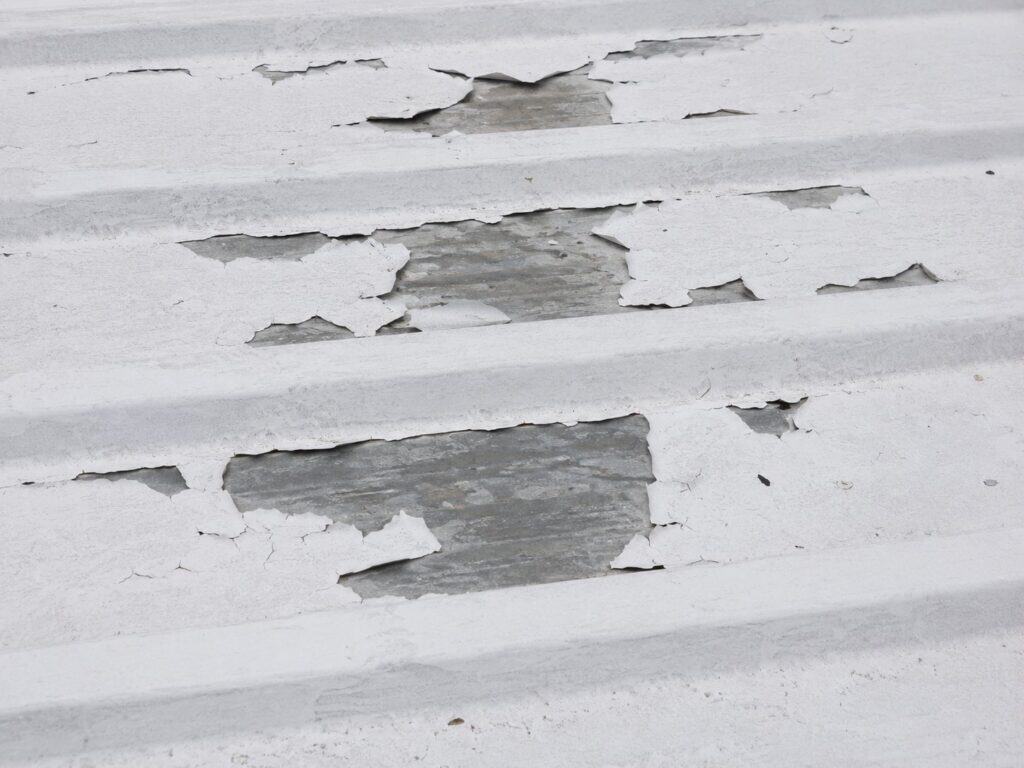
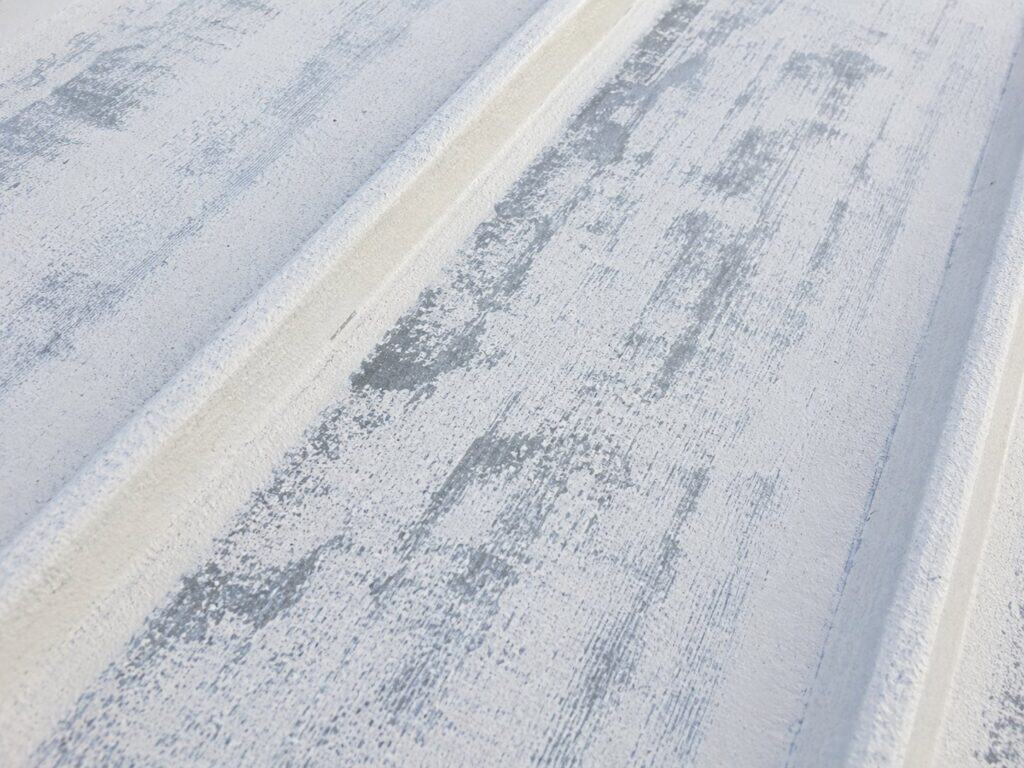
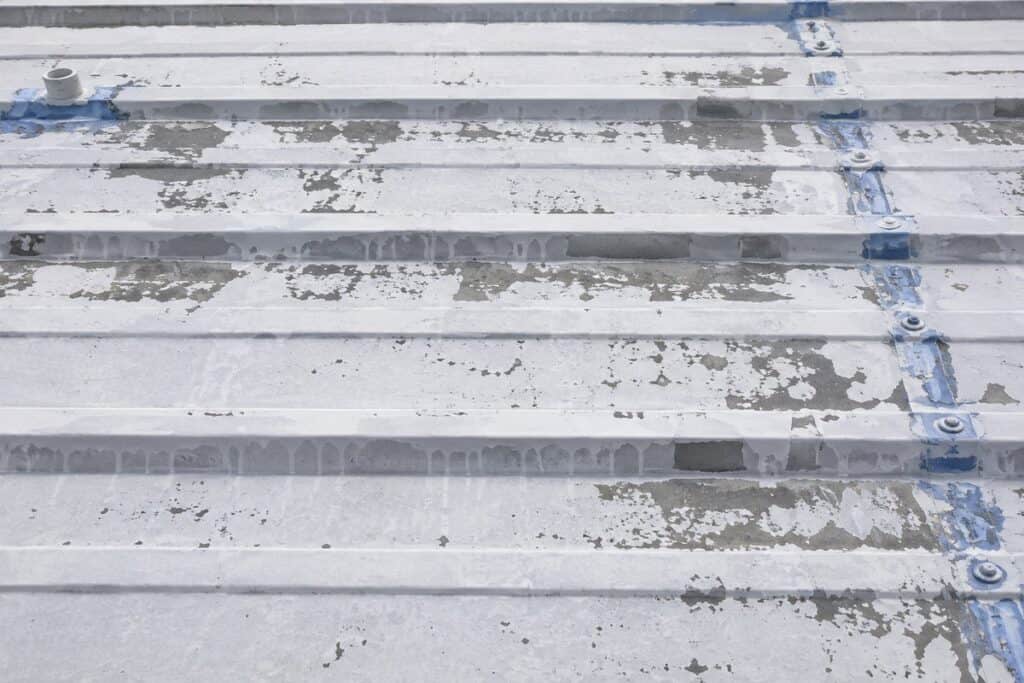
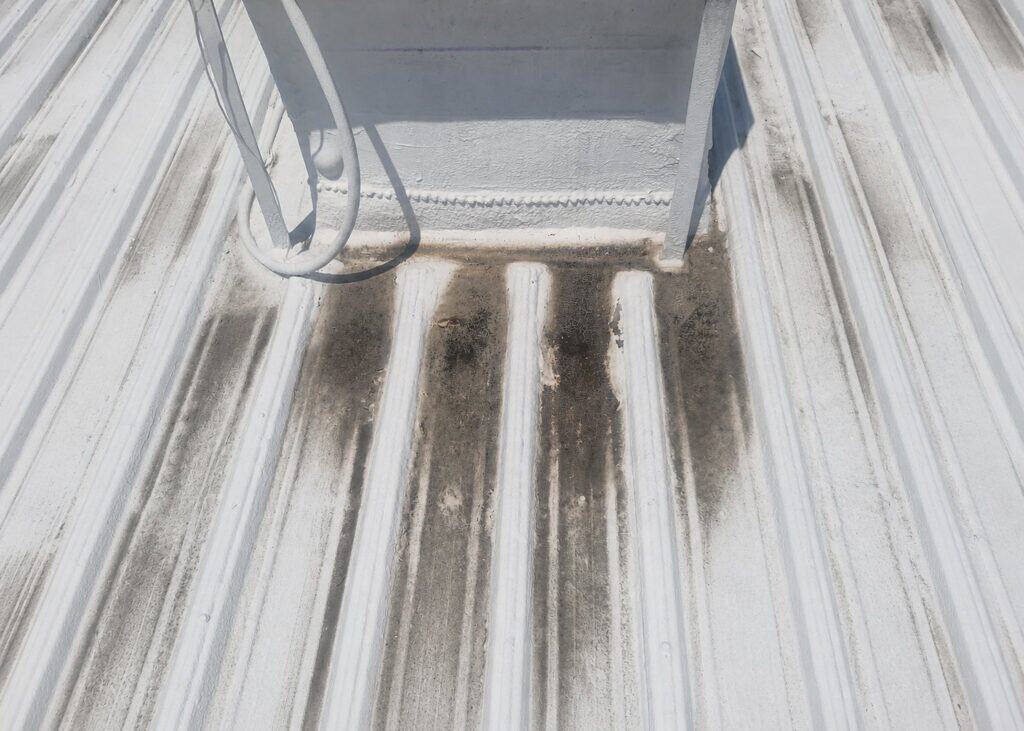
Limitations — what can go wrong.

The make-or-break

Weather windows that make or break an acrylic job.

Acrylic application window (ambient temperature)
Below 50°F
50–85°F
85–100°F
100°F+ substrate
Below 50°F: Too cold — slow cure, adhesion risk, wash-off exposure
50–85°F: Ideal application window
85–100°F: Work early morning; watch flash-off on hot substrate
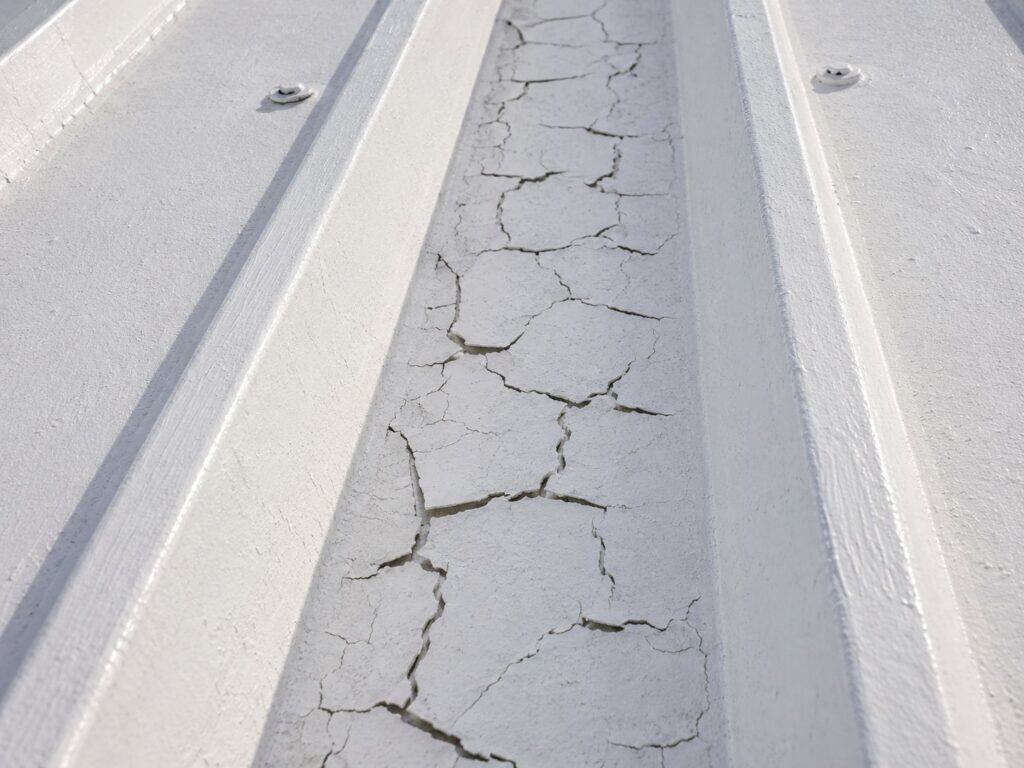
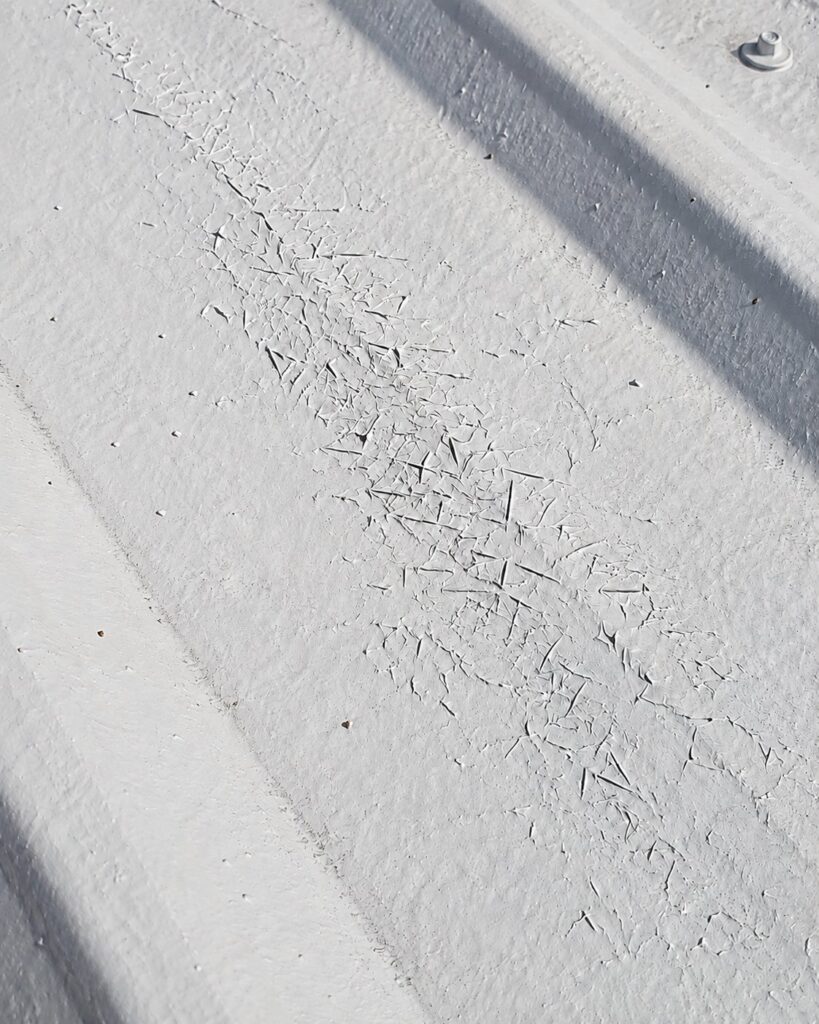
100°F+ substrate: High risk — mud cracking when applied too thick

Acrylics are water-based and cure by evaporation — proper application techniques exist so the water can leave the film before bad weather arrives.

🌧 No rain 24–48h💧 Surface 5°F+ above dew point💨 Humidity under ~85%🌡 50°F and rising

Deep dive: full temperature & weather requirements →

By the numbers

Acrylic specifications & coverage.

There is no universal acrylic spec. Dry film thickness, coverage rate and coat count are set by each system and by the warranty you want.

The rule of thumb: thicker film, longer warranty.

A 10-year system needs roughly half the dry mils of a 20-year system, and coverage per gallon moves with substrate texture and equipment. 

How much coating would your roof need?

Our material calculator will tell you exactly how much material your roof needs.

The economics

Cost, service life & warranties.

Typical installed cost

Roughly $2.50–$5.50 per square foot installed — usually 30-50% the cost of replacement. 

Roof condition, warranty and roof access drive the price.

Service life & recoats

Expect 10–20 years per cycle with a warranty to match. At the end of a cycle the roof is cleaned and recoated instead of replaced — that renewability is acrylic’s core economics.

The tax angle

Because a coating is considered a maintenance by the IRS many businesses can deduct the full cost in year one under Section 179.

Proof in the field

Real acrylic projects on RCN.

Project Spotlights

Color-Gard Acrylic Restoration of an Asheville NC Firehouse Roof

A 25-year-old metal roof on an Asheville volunteer fire station, roughly 17,200 sq ft, was renewed…

Project Spotlights

Standing Seam Metal Roof Restoration at a North Charleston SC Logistics Facility

A 14,500 sq ft standing seam metal roof in North Charleston was sealed and coated with…

Project Spotlights

Recoating an Icon: The Circus Circus Tent Roof Restoration, Las Vegas NV

How a Las Vegas contractor restored the faded pink-and-white big top of Circus Circus with a…

Level up

Acrylic training & video series.

Free acrylic guides are now live.

Full video courses including surface prep, spray technique, mil verification and more are coming soon.

Find acrylic contractors near you.

Get matched with certified acrylic contractors — free, no obligation.

Frequently Asked Questions

How long does an acrylic roof coating last?Under a renewable warranty program, the protection can continue indefinitely. When each warranty term ends, the contractor re-inspects the roof and applies a fresh topcoat rather than tearing anything off — so the roof cycles through recoats instead of ever needing another full replacement.
Is coating really cheaper than replacing the roof?In most cases the savings exceed 50% versus a tear-off and re-roof. On top of that, coatings are typically treated as a maintenance-class expense, which can allow eligible businesses to deduct the entire cost in the installation year under Section 179 rather than depreciating it slowly.
Will installation disrupt business operations?No. Because nothing is torn off and the building interior is never exposed, operations continue normally underneath while crews work. There is no downtime associated with a properly run coating project.
What roof types can receive an acrylic coating?Metal, TPO, EPDM, modified bitumen, and built-up (BUR) roofs are all candidates — any flat or low-slope commercial roof with remaining life in the deck. Roofs with chronic ponding water are the exception; those are usually better served by silicone.
Does the installer's certification matter?Significantly. Manufacturer-backed warranties are only issued when the system is installed by a contractor certified for that product line. RoofCoatingNetwork lists contractors who hold current certifications with the major coating manufacturers, so the warranty behind the work is genuine.
Keep going

The full acrylic series.

📚 The Acrylic SeriesThe Complete Guide →
  1. The Acrylic Crash Course — start hereYou are here
  2. Advantages & Disadvantages: An Honest Assessment
  3. Cost: What You’ll Actually Pay
  4. Application: Temperature & Weather Requirements
  5. Application: Coating a Metal R-Panel Roof
  6. Failures & Troubleshooting
  7. Coverage, Thickness & Lifespan
🎓 Go deeper: advanced application training for every chemistry and method is coming to RCN Academy — free modules now, full video courses for Premium members.